The most common household spiders in Texas are the American house spider, southern house spider, cellar spider, wolf spider, jumping spider, and yellow sac spider. Nearly all of them are harmless to people and actually help by eating other pests.
Only two groups found in Texas homes are medically significant: widow spiders (southern black widow and brown widow) and recluse spiders (brown recluse and Texas recluse). If you spot either one indoors, or see spiders often, it is time for a professional inspection.
Texas is big, warm, and full of insects, which makes it a great place to be a spider. From Dallas garages to Houston patios and Austin closets, spiders find plenty of food and shelter in and around our homes. Most of the spiders you see are completely harmless, but a few species deserve real caution.
In this guide, the Beetle Detectives team walks you through the household spiders you are most likely to find in Texas, how to identify the dangerous ones, where they hide, and how to keep them out of your home.
Why Texas Homes Get So Many Spiders
Spiders follow their food. Texas has a long warm season and a huge insect population, so spiders stay active for most of the year. A home with plenty of flies, moths, crickets, or roaches will almost always have spiders too.
- Warm weather: mild winters in much of the state let spiders stay active and breed longer.
- Fall movement: many spiders, especially males looking for mates, wander indoors from late summer through fall.
- Heavy rain and heat: storms, flooding, and extreme summer heat push spiders toward the shelter of homes and garages.
- Clutter and storage: boxes, woodpiles, and unused rooms give spiders dark, quiet places to hide.
Common Household Spiders in Texas
These are the spiders Texans run into most often. Use this quick guide to identify what you are seeing and how much of a concern it is.
| Spider | What It Looks Like | Where You Will Find It | Risk Level |
|---|---|---|---|
| American house spider | Small, round tan or brown body with a mottled pattern | Ceiling corners, windows, garages, and under furniture | Harmless |
| Southern house spider | Males are tan and long-legged; females are dark, velvety, and stocky | Cracks around windows, eaves, sheds, and outdoor walls | Harmless |
| Cellar spider | Tiny body with very long, thin legs (often called daddy long-legs) | Bathrooms, closets, basements, and ceiling corners | Harmless |
| Wolf spider | Large, hairy, brown or gray with stripes; runs fast and does not spin a web | Floors, garages, near doors, and along baseboards | Low risk |
| Jumping spider | Compact and fuzzy with big front eyes; jumps short distances | Windowsills, walls, patios, and fences | Harmless |
| Yellow sac spider | Pale yellow to beige, about 1/4 inch, with darker feet | Silk sacs in wall and ceiling corners, behind frames and curtains | Low risk |
| Texas brown tarantula | Large, hairy, dark brown; slow moving | Usually outdoors; males sometimes wander into garages in summer and fall | Low risk |
Harmless spiders like cellar spiders and jumping spiders eat flies, mosquitoes, and other pests. A few of them are not a problem, but a large number of spiders usually means your home has a bigger insect problem that needs attention.
Dangerous Spiders in Texas: Widows and Recluses
Out of the hundreds of spider species in Texas, only widows and recluses are considered a real health concern. Both are shy and bite only when pressed against the skin, such as when you put on a shoe or reach into a box where one is hiding.
Southern Black Widow
The southern black widow is a shiny black spider with a red hourglass shape on the underside of its round abdomen. Females are the ones to watch out for. In West Texas, you may also see the closely related western black widow.
Where they hide: garages, woodpiles, meter boxes, outdoor furniture, sheds, and dark corners near the ground. Their webs are messy and irregular, and they are usually close to the ground.
Brown Widow
The brown widow is tan to dark brown with an orange or yellow hourglass mark. Its egg sacs are easy to spot because they look spiky, almost like tiny burrs. Brown widows have become common in parts of Texas, especially in the Houston area and along the Gulf Coast.
Where they hide: under patio furniture, mailboxes, railings, playground equipment, and the edges of outdoor structures. Their bite is generally considered less serious than a black widow bite, but it should still be taken seriously.
Brown Recluse
The brown recluse is light brown to tan with a dark violin-shaped mark on the front part of its body. A key clue is its eyes: it has six eyes arranged in three pairs, while most spiders have eight. Its legs are thin and evenly colored, with no bands or spines.
Brown recluses avoid people and hunt at night instead of catching prey in webs. According to Texas A&M AgriLife Extension’s guide to brown recluse control, they prefer undisturbed spots like cluttered closets, attics, garages, and crawl spaces, and infestations are usually best handled with professional help.
Texas Recluse
The Texas recluse looks very similar to the brown recluse and is found mainly in South and West Texas. Most homeowners cannot tell the two apart without a close look, and it does not matter much because both should be treated with the same caution.
Male southern house spiders are tan and long-legged, so they are often mistaken for brown recluses. Before you panic, look for the violin mark and the six eyes in pairs. The comparison table below can help.
Brown Recluse vs. Southern House Spider
These two spiders cause more confusion than any others in Texas homes. Here is how to tell them apart:
| Feature | Brown Recluse | Southern House Spider |
|---|---|---|
| Violin mark | Dark violin shape on the front body section | No clear violin mark |
| Eyes | Six eyes in three pairs | Eight eyes grouped closely together on a small bump |
| Legs | Thin, uniform color, no bands or spines | Very long legs, especially on males |
| Web | Small, loose, irregular web used as a retreat | Flat, tangled web spreading out from a crack or hole |
| Where found | Indoors in closets, attics, boxes, and garages | Mostly outdoors around windows, eaves, and sheds |
| Risk level | Medically significant | Harmless |
Where Spiders Hide in Texas Homes
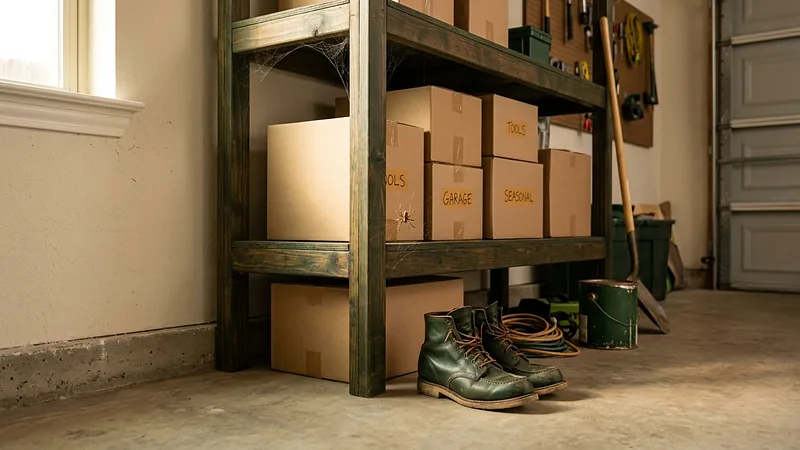
Spiders like quiet, dark places that people rarely disturb. If you are seeing spiders, check these areas first:
| Location | Spiders You May Find | What to Check |
|---|---|---|
| Garages and sheds | Black widows, wolf spiders, recluses | Corners, shelves, boxes, tools, and under stored items |
| Closets and storage rooms | Brown recluses, cellar spiders | Shoes, stacked clothes, and cardboard boxes on the floor |
| Attics and crawl spaces | Brown recluses, house spiders | Insulation edges, rafters, and stored holiday decorations |
| Windows and doors | Jumping spiders, house spiders, southern house spiders | Window frames, screens, and gaps under doors |
| Bathrooms and laundry rooms | Cellar spiders, wolf spiders | Behind toilets, under sinks, and near drains |
| Patios and yards | Brown widows, black widows, orb weavers | Patio furniture, mailboxes, woodpiles, and dense shrubs |
Spider Bite Symptoms: When to Get Medical Help
Most spider bites in Texas cause only minor redness, swelling, and itching, similar to a bee sting. Widow and recluse bites are different and need more attention.
- Widow bites: may feel like a pinprick at first, followed by spreading pain, muscle cramps, stomach pain, sweating, or nausea within a few hours.
- Recluse bites: are often painless at first. Over several hours to days, the area may become red and painful, form a blister, and in some cases develop a slow-healing open sore.
- Other spiders: usually cause a small, itchy, red bump that clears up within a few days.
Get medical care if you think a widow or recluse bit you, if pain or redness keeps spreading, or if you notice signs of infection. Call 911 or go to the emergency room for trouble breathing, severe muscle pain or cramps, or a reaction in a young child or older adult. If you can safely catch the spider, bring it along to help with identification.
How to Keep Spiders Out of Your Texas Home
The best way to reduce spiders is to make your home less inviting and cut off their food supply. These steps work for most homes:
- 1Seal entry points. Caulk cracks around windows, doors, pipes, and the foundation. Add door sweeps and repair torn screens.
- 2Reduce clutter. Clear piles of boxes, clothes, and papers, especially in closets, garages, and attics.
- 3Use sealed plastic bins. Store items in tight-lidded plastic containers instead of cardboard boxes.
- 4Shake out shoes and clothes. This matters most for items left in garages, closets, or on the floor.
- 5Vacuum webs and egg sacs. Regularly vacuum corners, ceilings, and under furniture, then empty the vacuum outside.
- 6Change outdoor lighting. Bright white lights attract insects, which attract spiders. Yellow bug lights or warm LEDs help.
- 7Move woodpiles and trim plants. Keep firewood, rocks, and dense shrubs away from the walls of your home.
- 8Control other pests. Fewer flies, crickets, and roaches means fewer spiders. Sticky traps can also help you monitor activity.
DIY vs. Professional Spider Control
Cleaning and sealing your home can handle a few harmless spiders. But widows and recluses hide in places that are hard to reach, and over-the-counter sprays often miss them. Here is how the two options compare:
| Factor | DIY Control | Professional Control |
|---|---|---|
| Best for | A few harmless spiders in one area | Widows, recluses, or spiders in many rooms |
| Inspection | Visible areas only | Attics, wall voids, crawl spaces, and the exterior |
| Methods | Vacuuming, sealing, sticky traps, store sprays | Targeted treatments indoors and outdoors plus prevention advice |
| Safety | Risk of being bitten while searching | Trained technicians handle dangerous species |
| Long-term results | Spiders often return if the source is missed | Fewer return visits, often with follow-up service |
When to Call a Spider Exterminator in Texas
It is time to bring in a professional if you notice any of these signs:
- You see a brown recluse, Texas recluse, black widow, or brown widow inside your home
- You find spiders in your home almost every day
- You notice egg sacs or many webs in closets, garages, or attics
- Someone in your home was bitten and you are not sure by what
- You have small children, pets, or older family members at home
Seeing Spiders in Your Texas Home? Get Local Help Today
Beetle Detectives connects Texas homeowners with trusted, licensed pest control professionals near them. Tell us what you are seeing, and we will match you with a local expert who can identify the spiders and keep them out.
Find a Texas Exterminator
Email [email protected]
Beetle Detectives is a referral service. Pest control services are provided by independent, licensed local companies.
Frequently Asked Questions About Household Spiders in Texas
What is the most common house spider in Texas?
The American house spider and the cellar spider are two of the most common spiders found inside Texas homes. Both are harmless and usually build webs in corners, closets, and garages.
Are most spiders in Texas homes dangerous?
No. Most spiders in Texas homes are harmless to people. Only widow spiders and recluse spiders are considered medically significant, and both tend to avoid contact with people.
Do brown recluse spiders live all over Texas?
Brown recluses are found in much of Texas, especially the central and northern parts of the state. The closely related Texas recluse is found mainly in South and West Texas.
When are spiders most active in Texas?
Spiders are active for most of the year in Texas. Many people notice more spiders indoors from late summer through fall, when males wander in search of mates, and after heavy rain.
Are there hobo spiders in Texas?
No. Hobo spiders are found in the Pacific Northwest, not Texas. Spiders that people call hobo spiders in Texas are usually grass spiders or other harmless funnel weavers.
Should I kill harmless spiders in my house?
You do not have to. A few harmless spiders can actually help control flies and other insects. If you would rather not have them, vacuum them up or gently move them outside, and focus on sealing entry points.