General Pest Control • Aurora, CO
Pest Control in Aurora, CO
Black widows in the window well or mice in the garage? Get a free quote for pest control in Aurora, CO from a licensed local pro, with same-day or next-day options when available.
- Free, no-obligation quotes
- Licensed local pros
- Same-day options when available
Free Local Quote
Get General Pest Control in Aurora Without the Guesswork
Share your ZIP code and the best number to reach you. We pass your request to an independent, licensed pest control provider who works in your part of the Denver metro, and they’ll ask about the pest when they contact you.
The provider contacts you to confirm the details and give you a free quote. You decide if and when to book.
Prefer email? Write to [email protected] with your ZIP code and pest problem.
Beetle Detectives is a referral service. Treatments are performed by independent local providers.
Local Pests
Common Pests in Aurora, CO
Colorado’s dry, sunny climate and big day-to-night temperature swings shape the pest calendar on the plains east of Denver. Spiders, moths and stinging insects peak in the warm months, then cold snaps send mice and overwintering bugs looking for a way inside.
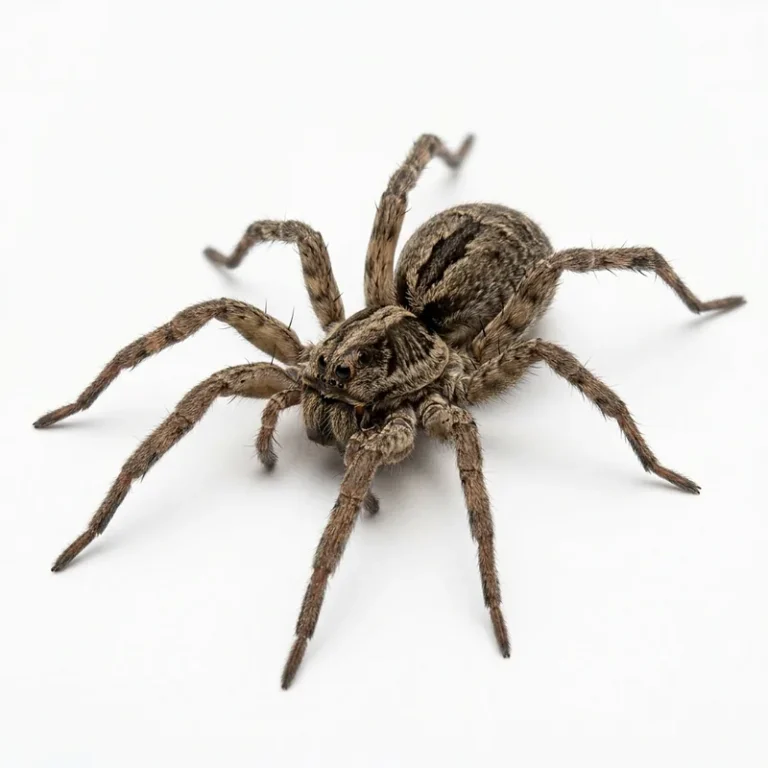
Spiders (Black Widows, Wolf Spiders)
Black widows hide in Colorado window wells and woodpiles; wolf spiders wander in as nights cool.
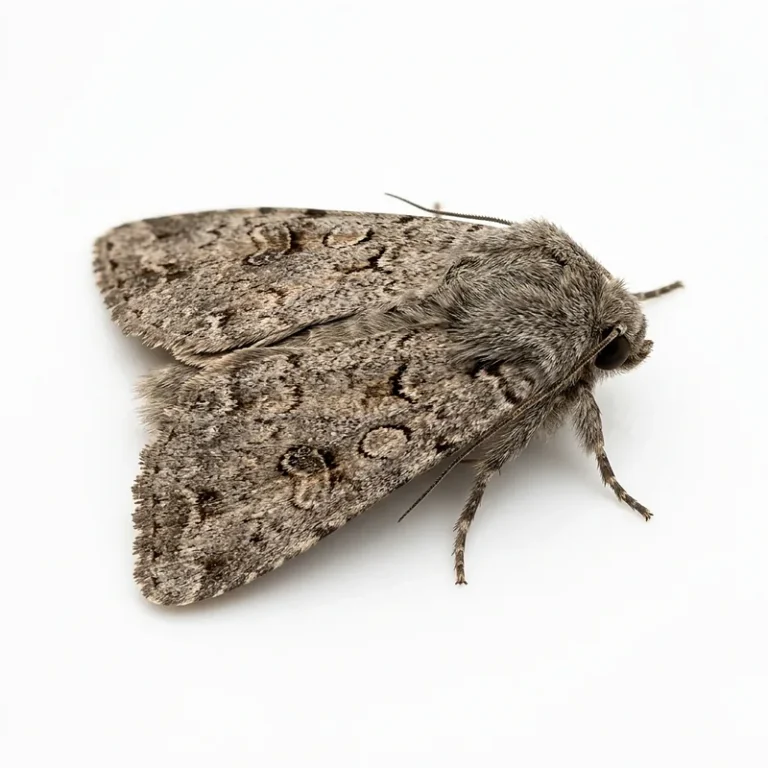
Miller Moths
Miller moths pass through the Front Range each spring and slip in around doors and porch lights.

Mice (Deer Mice)
Deer mice move into garages and basements in fall; their droppings need careful, wet cleanup.
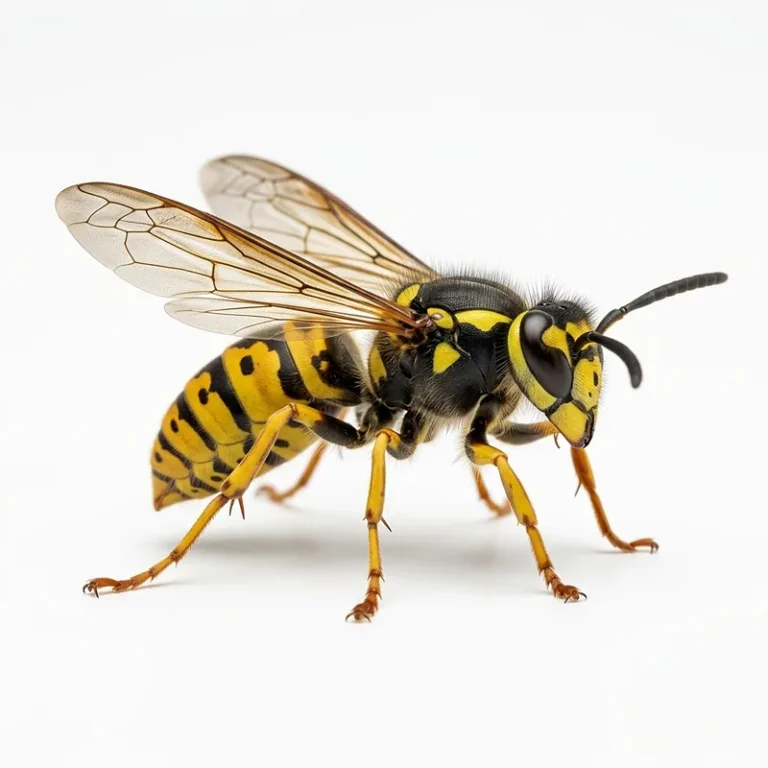
Wasps & Yellowjackets
Paper wasps nest under eaves and decks; yellowjackets get bolder around food in late summer.
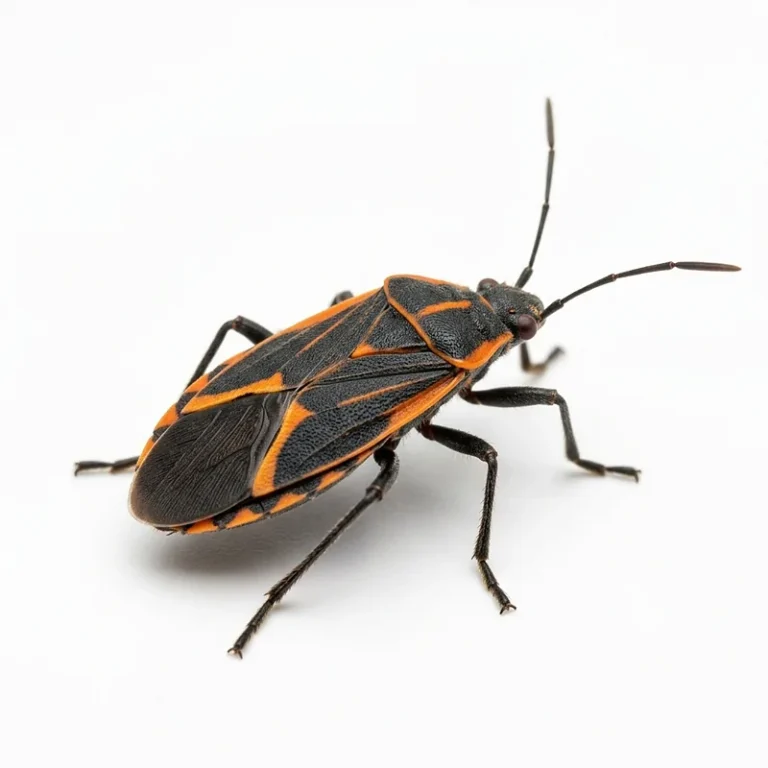
Boxelder Bugs
Boxelder bugs gather on warm south and west walls in fall, then squeeze into gaps for winter.

Ants
Ants trail in from watered lawns and pavement cracks in spring, often straight to the kitchen.
What to Expect
General Pest Control in Aurora: What to Expect
Pest Pressure Through the Seasons East of Denver
Aurora is one of the largest cities in the Denver metro, spread across Arapahoe, Adams and Douglas counties on the plains east of Denver. The climate is semi-arid: hot, dry summers, winters with sudden cold snaps, and big temperature swings between day and night in every season. Pests here follow those swings. When it is hot and dry they look for water and shade; when nights turn cold they look for a way inside.
Spring usually brings the first ant trails across kitchens and patios, along with miller moths. These moths migrate through the Front Range in late spring on their way to the mountains, and during a heavy flight they slip in around doors, garage gaps and porch lights for a few weeks. They are a nuisance rather than a danger, but sealing gaps and turning off outdoor lights at night helps a lot.
Summer is spider and stinging-insect season. Black widows are common in Colorado and prefer dry, undisturbed places: basement window wells, woodpiles, garage corners, utility boxes and the underside of outdoor furniture. Paper wasps build under eaves and deck rails, and some yellowjackets nest in the ground, which matters in yards where kids and pets play. Yellowjacket colonies grow all summer and are usually most defensive around food and trash in late summer.
Fall is when the calls move indoors. Boxelder bugs cluster on warm, sunny walls before squeezing into cracks to spend the winter. Wolf spiders wander into garages and basements as the weather cools, and mice, including deer mice, start nesting in garages, storage areas and attics after the first cold nights. Deer mice can carry hantavirus, so droppings and nests should be sprayed with disinfectant and wiped up, never swept or vacuumed dry.
How a General Pest Control Visit Works
General pest control covers the everyday pests most Colorado homes deal with: spiders, ants, wasps, mice, boxelder bugs, millipedes and similar invaders. Termites, bed bugs and wildlife are usually quoted as separate services, and the provider will tell you if your problem falls into one of those.
Inspection. A good visit starts with a look, not a spray. The technician walks the outside first, checking the foundation, window wells, door sweeps, garage door seals, gaps around pipes and utility lines, and the eaves where wasps like to build. Inside, they check the garage, the basement or crawl space, under sinks and anywhere you have seen activity, looking for live pests, droppings, webs and nests.
Treatment. The plan depends on what they find. Common options are a targeted perimeter treatment around the foundation, crack-and-crevice work indoors, baits for ants, direct nest treatment or removal for wasps, and traps or tamper-resistant stations for mice. Exclusion, meaning sealing the gaps pests use to get in, is often what makes results last, especially for mice and boxelder bugs. Ask which products are used and how long kids and pets should stay off treated areas.
Prevention and follow-up. With pests that change from spring to summer to fall, many homeowners choose a seasonal plan that times visits to each wave, while others start with one visit and decide later. Either way, expect practical advice: clear debris from window wells, store firewood away from the house and replace worn door seals. If you are finding small beetles near windows, in pantry goods or on carpets, our beetle guides help you identify them before the visit.
Suburban Homes, Lawns and Open Space: What They Mean for Pests
Much of the city is suburban: single-family homes with lawns, townhomes, apartment communities and newer neighborhoods that sit close to open space and fields. Each setting changes which pests you are likely to meet and where.
In a dry climate, watered lawns and garden beds are where the moisture is, so they draw ants, spiders and the insects spiders feed on. Homes that back onto open space or undeveloped land often see more mice and wolf spiders, especially in fall. Basement window wells collect leaves and debris and make ideal black widow habitat, so they are worth checking every season. Our spider guides explain how to tell a black widow from the harmless spiders you will also find.
Attached garages are one of the most common entry points for mice and spiders, particularly where the bottom door seal is worn or cracked. In townhomes and apartments, pests can travel through shared walls and utility lines, so renters should report problems to their landlord or property manager in writing, and small businesses often need a scheduled commercial service.
Not sure what you are looking at? Browse The Pest Library, or see every area we cover on our Colorado locations page. When you are ready, request a free quote and a licensed local provider takes it from there.
How It Works
Pest Help in Aurora in 3 Simple Steps
1. Tell Us Your Pest Problem
Fill out the short form. Share the pest, where you see it and your ZIP code.
2. We Match You With a Licensed Local Pro
We pass your request to an independent provider who serves your part of the east Denver metro.
3. Get Your Free, No-Obligation Quote
The provider contacts you with a quote. Ask questions, compare, and book only if it feels right.
Free • No Obligation
Our Promise
Free to Use. No Pressure. Ever.
Beetle Detectives costs you nothing. You never pay us, you are never obligated to book, and the company you speak with is an independent, licensed pest control provider, not us. Ask questions, take your time and choose what works for your home.
Free Quotes
Requesting a quote is free, and you are never obligated to book.
Licensed Local Pros
Your request goes to an independent, licensed pest control provider.
Your Info Stays Private
Your details are shared only with the provider handling your request.
Nearby Areas
Pest Control Near Aurora
Aurora is our first Colorado city page. More Denver Metro areas are coming soon.
Pest Guides
Pest Guides for Aurora Homeowners

Getting Rid of Mice Permanently
Read the guide →
Why Are There So Many Spiders in My House?
Read the guide →
Yellow Jacket vs Wasp
Read the guide →
FAQ
General Pest Control in Aurora: FAQs
How much does pest control cost in Aurora?
It depends on the size of your home, the pest, how established the problem is and whether you choose a one-time visit or a seasonal plan. Removing a single wasp nest is priced differently from sealing a garage and trapping mice, and termite or bed bug work is usually separate. We do not publish local prices because they vary from provider to provider. Request a free quote and the provider will give you a price for your home before any work begins.
Can someone come out the same day?
Sometimes. Same-day or next-day visits depend on the provider’s schedule, the time you send your request and the season, and late spring through late summer is busy along the Front Range. Mention in the form if the problem is urgent, such as a yellowjacket nest by the back door or a black widow in a child’s window well. The provider will tell you the earliest time they can come.
Are pest treatments safe for kids and pets?
Licensed providers use products registered for residential use and must follow the label directions, including where a product can go and when people and pets can return. Many jobs rely on targeted methods such as baits, crack-and-crevice treatments, traps and sealing entry points rather than broad spraying. Tell the technician about children, dogs, cats, fish tanks or anyone with sensitivities before they start. If you prefer lower-impact options, say so when you request your quote.
Which pests are worst in Aurora in summer?
Black widows, wolf spiders, paper wasps and yellowjackets are the most common summer complaints. Black widows hide in window wells, garages and woodpiles, while yellowjackets nest under decks, in eaves and in the ground and get more aggressive toward late summer. Ants stay busy around watered lawns and patios. Miller moths are mostly a late-spring issue, and mice and boxelder bugs pick up once fall nights turn cold.
Do I have to sign a contract?
Not with us. Beetle Detectives is free and never requires a contract. Some providers offer one-time visits, while others offer seasonal or annual plans with their own terms. Read any agreement before you sign and ask about cancellation and re-treatment policies. You are always free to say no to a quote.
Is Beetle Detectives a pest control company?
No. Beetle Detectives is a free referral service, not a pest control company. We connect homeowners, renters and small businesses with independent, licensed local pest control providers, and those providers carry out every inspection and treatment. Your agreement and payment are directly with the provider you choose.
Get a Quote Today
Get Rid of Pests in Aurora and Keep Them Gone
Black widows in the window well, mice in the garage or wasps under the deck: one short form gets you a free, no-obligation quote from a licensed local pro.